Sundarbans Tour Guide: Explore Top 5 Sundarbans Tourist Spot

Table of Contents
ToggleSundarban Tour:
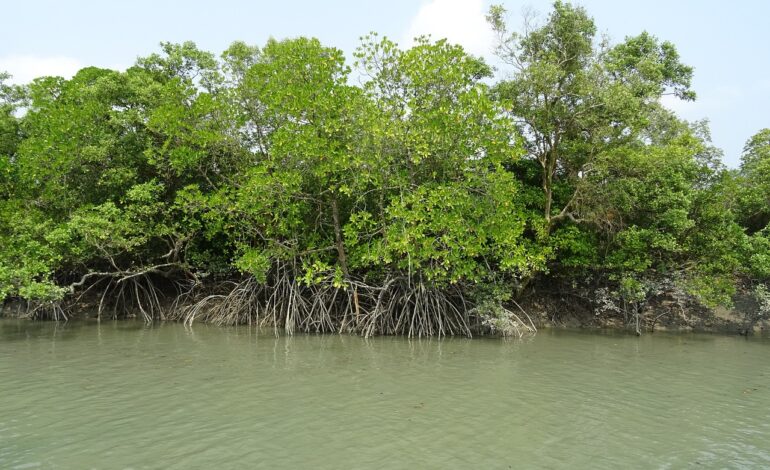
The Sundarbans, a vast and breathtaking forest along the Bay of Bengal, is recognized as one of the world’s natural wonders. Situated in the delta region formed by the confluence of the Padma, Meghna, and Brahmaputra rivers, this magnificent forest spans across parts of Khulna, Satkhira, and Bagerhat districts in Bangladesh, as well as the North and South Twenty-four Parganas districts in West Bengal, India. It is the world’s largest contiguous mangrove forest thriving in a coastal saline environment. Covering an area of 10,000 square kilometers, approximately 6,517 square kilometers (66%) lie within Bangladesh, while the remaining 34% extends into India.
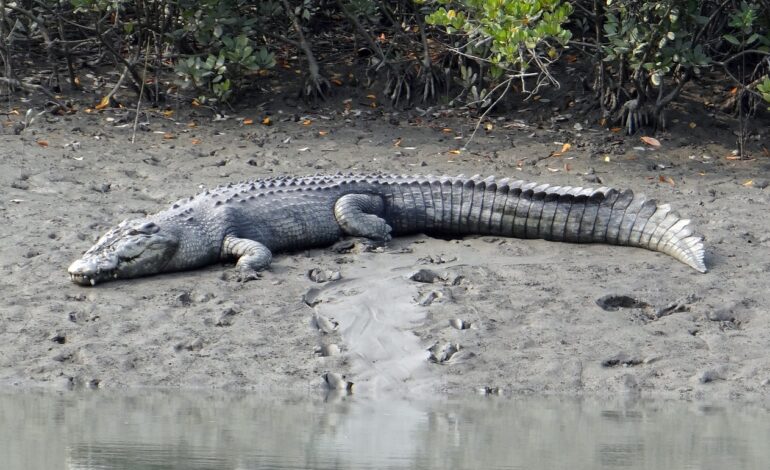
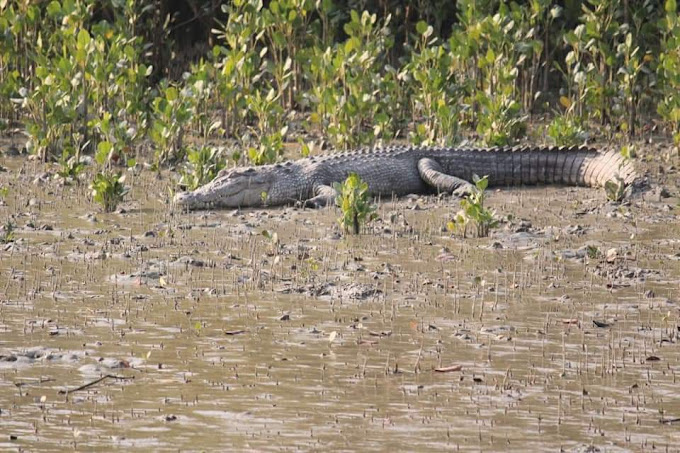
The Sundarbans was designated a UNESCO World Heritage Site on December 6, 1997. Although the Bangladeshi and Indian parts of the Sundarbans are contiguous segments of the same expansive landmass, they are listed separately on the UNESCO World Heritage List as “Sunderban” and “Sunderban National Park,” respectively. Despite this recognition, the Indian Sundarbans were deemed endangered in the 2020 assessment under the IUCN Red List of Ecosystem Framework. The Sundarbans is a complex network of small islands, ocean currents, mudflats, and saline mangrove forests. Rivers, creeks, and tidal pools cover 31.1% of the total forest area, equivalent to 1,874 square kilometers. This forest is renowned for its diverse wildlife, including birds, spotted deer, crocodiles, snakes, and the iconic Royal Bengal Tiger. According to surveys, the Sundarbans is home to approximately 106 tigers and 100,000 to 150,000 blackbucks. Additionally, the Sundarbans was recognized as a Ramsar site on May 21, 1992. Each year, thousands of tourists, both local and international, are captivated by the unique beauty of the Sundarbans, gaining insights into nature through their exploration of this remarkable ecosystem.
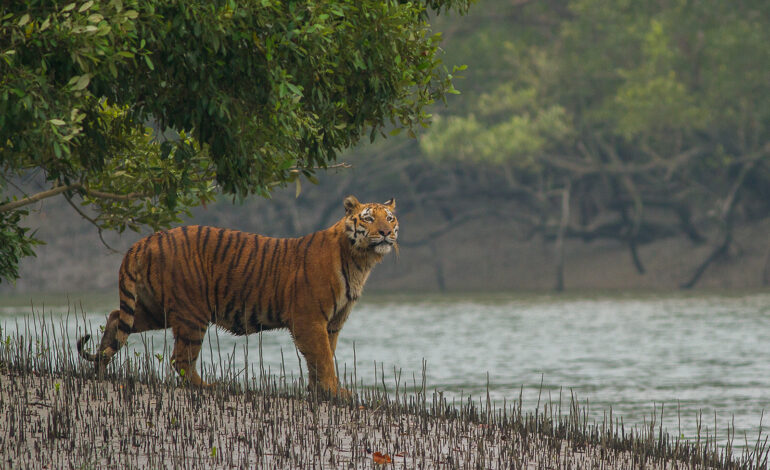
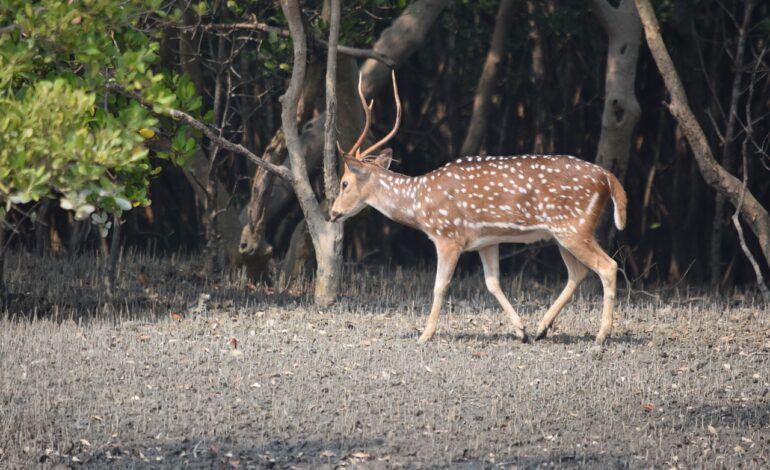
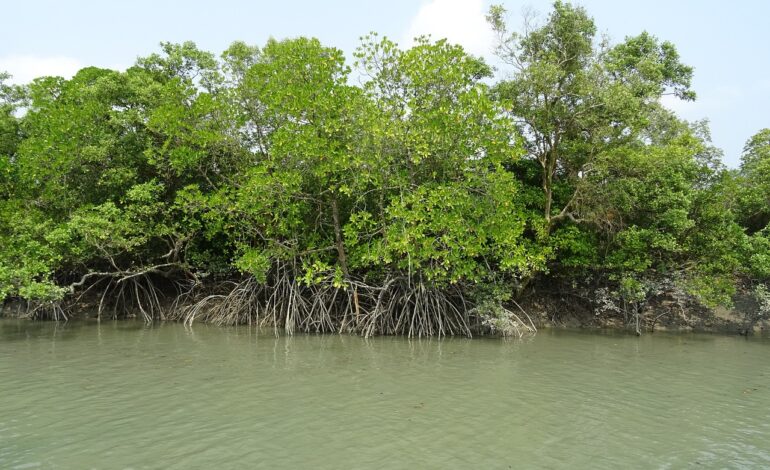
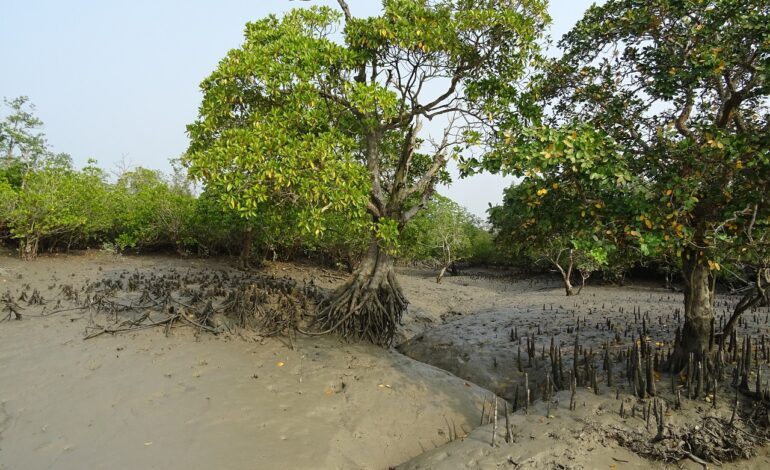
The systematic tree species of the Sundarbans are both beautiful and harmonious, adding to the natural charm of the forest. This unique ecosystem is home to 453 species of birds in 29 families, 120 species of fish, 42 species of mammals, 35 species of reptiles and eight species of amphibians.
Throughout the 20th century, strict bans on hunting in floodplains, except for fish and invertebrates, helped maintain the region’s biodiversity and ecological integrity of forests. The West Bengal Forest Department oversees the management of the Sundarbans National Park. In 1993, a forest management cycle was established to ensure conservation of forests, leading to the appointment of a chief conservator of forests. Forest access is permitted for both natural and human-related reasons, including a strong commitment to public safety.
However, the Sundarbans face significant challenges. In 2007, the cyclone destroyed about 40% of the cedar forest, and sea level rise, increasing salinity and reducing freshwater supplies, further stressed the ecosystem. In March 2009 the Sundarbans were again hit by Cyclone Aila, affecting an estimated 100,000 people. Additionally, a 2016 report highlighted the potential threat of a proposed coal-fired power plant located 14 kilometers (8.7 mi) north of the Sundarbans in Khulna’s Rampal upazila. This development is expected to further damage this unique mangrove forest.
The name “Sundarban” in Bengali translates to “beautiful forest.” It is widely believed that the Sundarbans are named after the sundari tree, which is abundant in the region. However, other theories suggest that the name could have originated from “sea forest” or “Chandra-Bandhe” (referring to ancient indigenous tribes). Despite these possibilities, the common assumption is that the forest was named after the sundari tree. Locally, the Sundarbans are also known by various names such as Bada Ba, Huloban, Shuloban, Mal, and Mahal. The term “Bada” refers to a forest where the tide flows. During British colonial rule, this Bada was renamed Mahal, Madhumhal, and Golmahal.
When is the Best Time to Visit Sunderban ?
The ideal time to explore the Sundarbans is from November to March, when the weather is pleasantly cool, making it perfect for spotting tigers and other wildlife. While you can visit during the summer months from April to July, be prepared for intense heat, with temperatures often reaching 43°C. Many tourists find the heat challenging, but it may not be an issue if you’re comfortable with high temperatures. It’s best to avoid the monsoon season, as heavy rainfall often floods the area, making boat rides difficult.
Top Attractions in the Sundarbans
1. Sajnekhali Wildlife Sanctuary
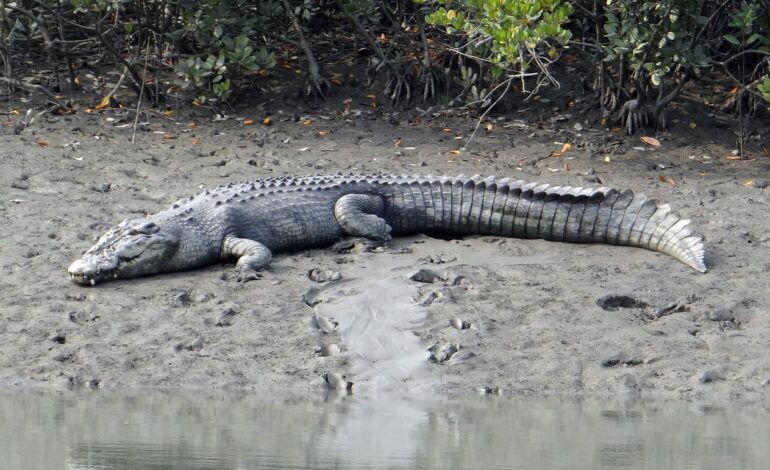
If you’re a bird enthusiast, you’ll find yourself captivated by SajnekhaliSanctuary, which lies adjacent to the Sundarbans Tiger Reserve and is locally known as ‘Sajnekhali Abhayaranya.’ This sanctuary is renowned for its rich birdlife, featuring a wide variety of vibrant species like plovers, kingfishers, sandpipers, egrets, herons, and sea eagles, making it a true bird lover’s paradise. The 20-foot-high Sajnekhali Watchtower offers an excellent vantage point for observing wildlife up close. The visitor’s center also houses a turtle hatchery, a shark pond, and a crocodile enclosure. Additionally, a crocodile breeding farm and Halliday Island are situated nearby. Reaching Sajnekhali is easy with a ferry ride from the Sajnekhali Jetty. The incredible wildlife experiences and scenic views make this sanctuary one of the top tourist spots in the Sundarbans.
2. Burirdabri Forest Camp
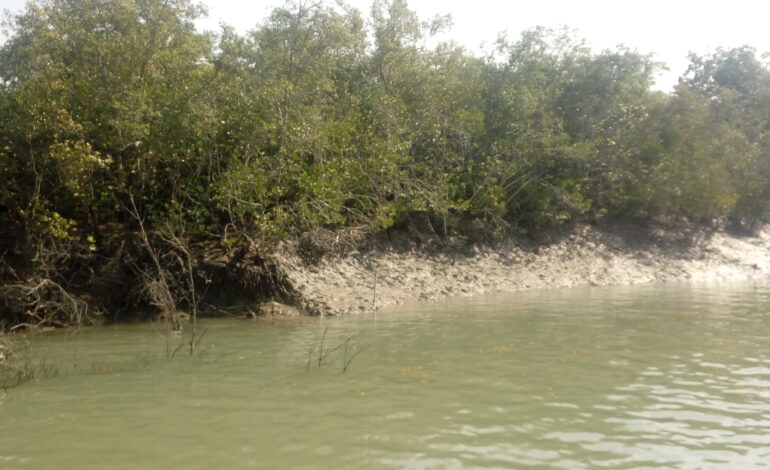
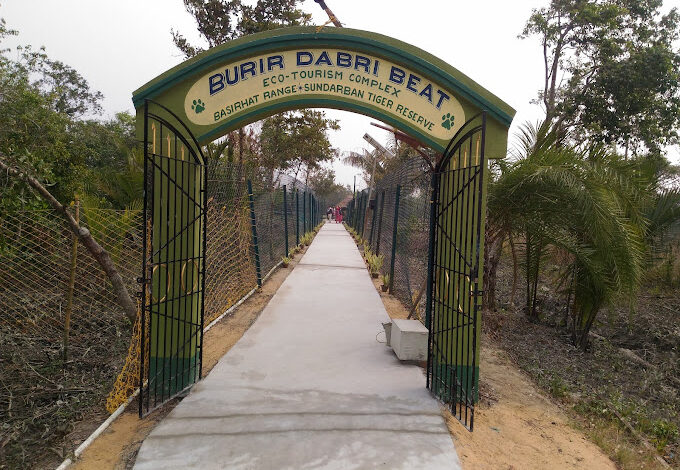
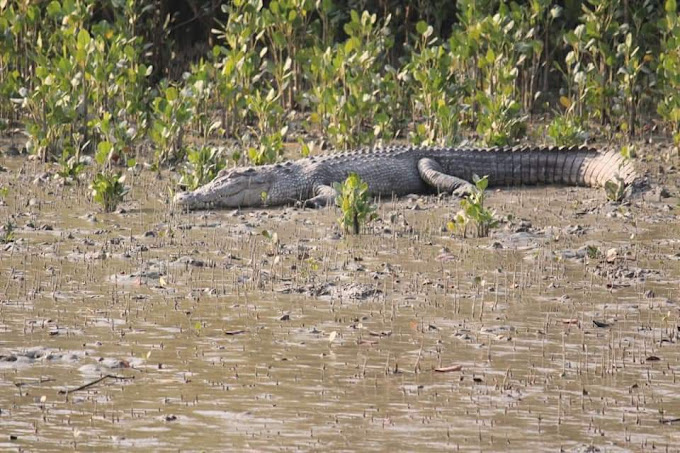
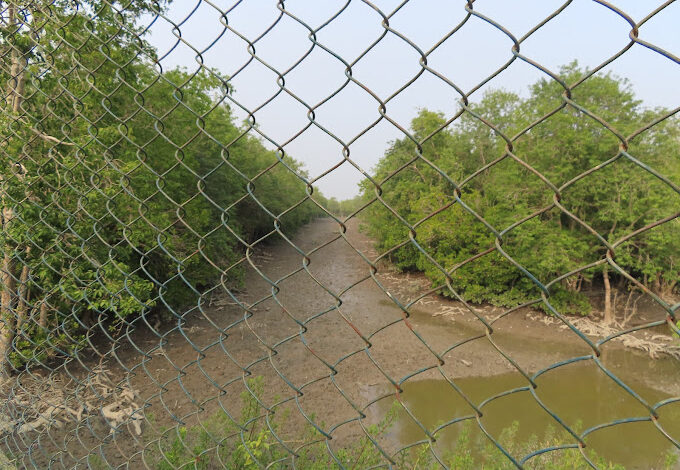
This Sundarban tourist spot, also known as the Burirdabri Eco Tourism Complex, is located within the Basirhat area of the Sundarban Tiger Reserve. It offers an incredible boat ride experience through the Arbesi and Jhila beats, where the forest is dense and filled with the sounds of nature. The raw and wild atmosphere of this area makes it a must-visit destination for adventure enthusiasts. The Burirdabri Watchtower is another key attraction, providing stunning views of the mangrove cage trail leading to the Raimongal viewpoint. The entire layout of the Burirdabri forest camp and watchtower is both delightful and visually pleasing in your tour package.

3. Dobanki
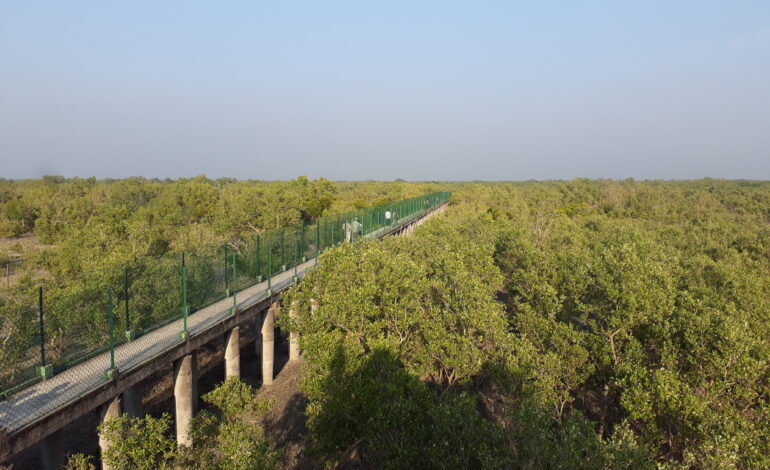
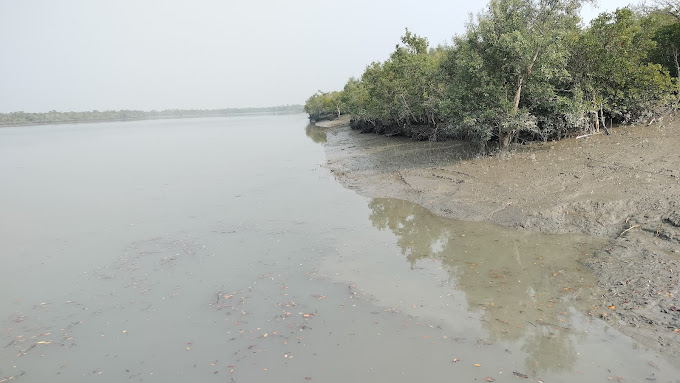
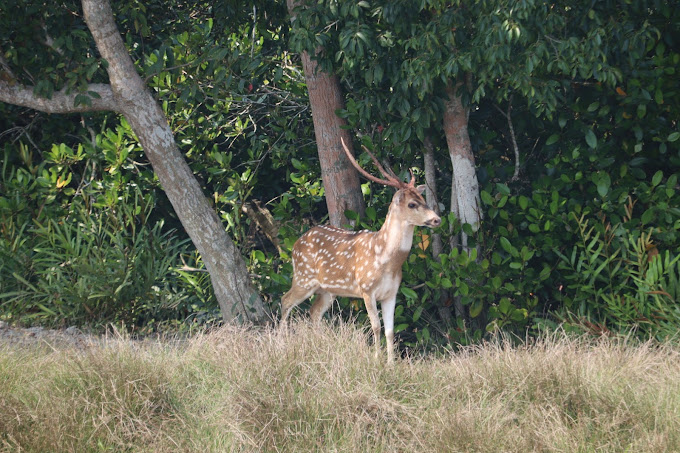
Dobanki is one of the most popular spots in the Sundarbans, consistently attracting tourists with its promise of wildlife sightings. Many visitors come here with the hope of spotting the elusive Royal Bengal tiger, which is known to frequent the area around the Dobanki Watchtower. Beyond the watchtower, a half-kilometre-long canopy walk offers a spectacular view of the tiger reserve forest. While the Sundarbans is renowned as the kingdom of Royal Bengal tigers, Dobanki also boasts sightings of chital deer, monitor lizards, otters, wild boars, and an impressive variety of birds, including eagles, falcons, adjutant storks, and jungle fowls. In the winter, you can also see beautiful whistling ducks around the sweet pond. This rich biodiversity makes Dobanki a must-visit Sundarban tourist spot.


4. Jharkhali
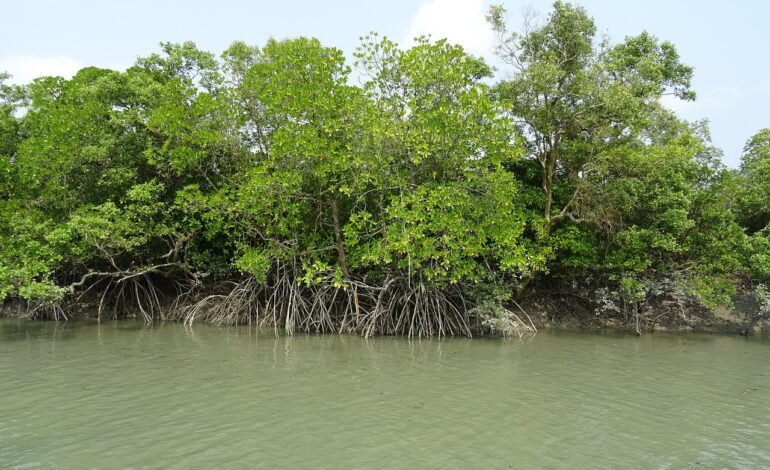
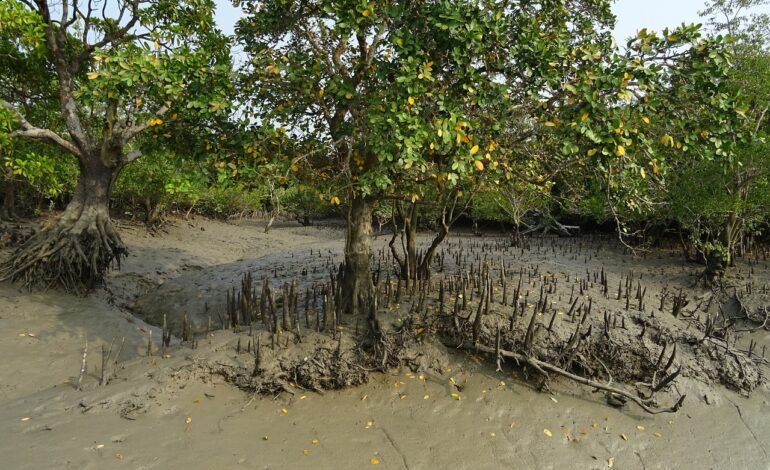
This Sundarban destination is promoted as the new gateway to the Sunderbans, making it a top choice among tourists eager to explore the world’s largest mangrove forest. The forest’s mysterious and breathtaking landscape adds to its appeal. While many adventure enthusiasts choose to spend their nights on boats during their Sundarban trip, there are also accommodations like hotels and bungalows managed by the forest department. Jharkhali serves as the ideal starting point to visit Kalash Dweep, Haliday Island, and Bonycamp, as well as the Sundarban Tiger Reserve areas around the Netidhopani and Dobanki watchtowers. A key attraction is the Royal Bengal Tiger Rescue and Rehabilitation Centre, along with the Butterfly Garden children’s park and the popular Jharkhali Watchtower.



5. Kalash Island
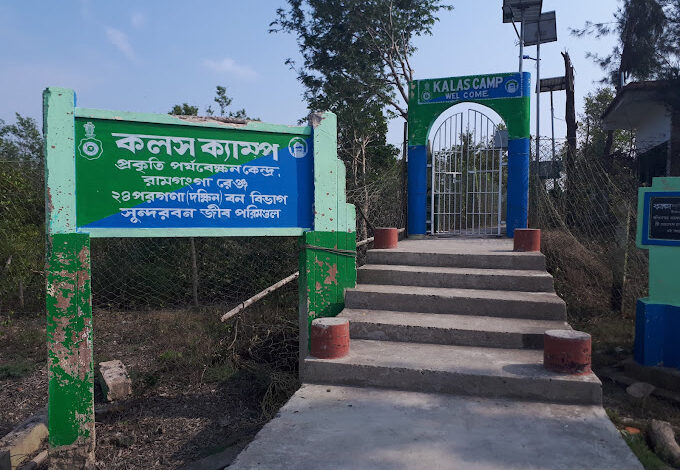
This Sundarban tourist spot is a major draw for visitors. Kalash Island, located near the Bay of Bengal, features Kalash Beach and a Kalash Camp open to tourists. The 4-acre area is surrounded by a 10-foot-high, 20-foot-wide ditch fence, yet it still cannot keep out the Royal Bengal Tigers, who often visit Kalash Beach in search of a freshwater pond. The anticipation of encountering these majestic creatures makes a trip to Kalash Island both thrilling and adventurous. However, forest rangers in the Sundarbans strictly prohibit solo touring in this area.

Address: Gosaba, West Bengal 743370